

Exploring the psychology behind casino gambling and its impact on decision-making
-
hussennasser85@gmail.com
- Posted على
The Allure of Gambling: Psychological Factors
The psychology of gambling is intricate and deeply rooted in human emotion and behavior. One primary factor is the thrill associated with risk-taking. Many individuals are drawn to the adrenaline rush of betting, often experiencing a sense of euphoria when winning. This euphoria can create a powerful desire to continue gambling, as the brain releases dopamine, a neurotransmitter linked to pleasure and reward. This biological response can cloud judgment and lead to impulsive decisions, especially when players are tempted by the best uk non gamstop casinos available online.
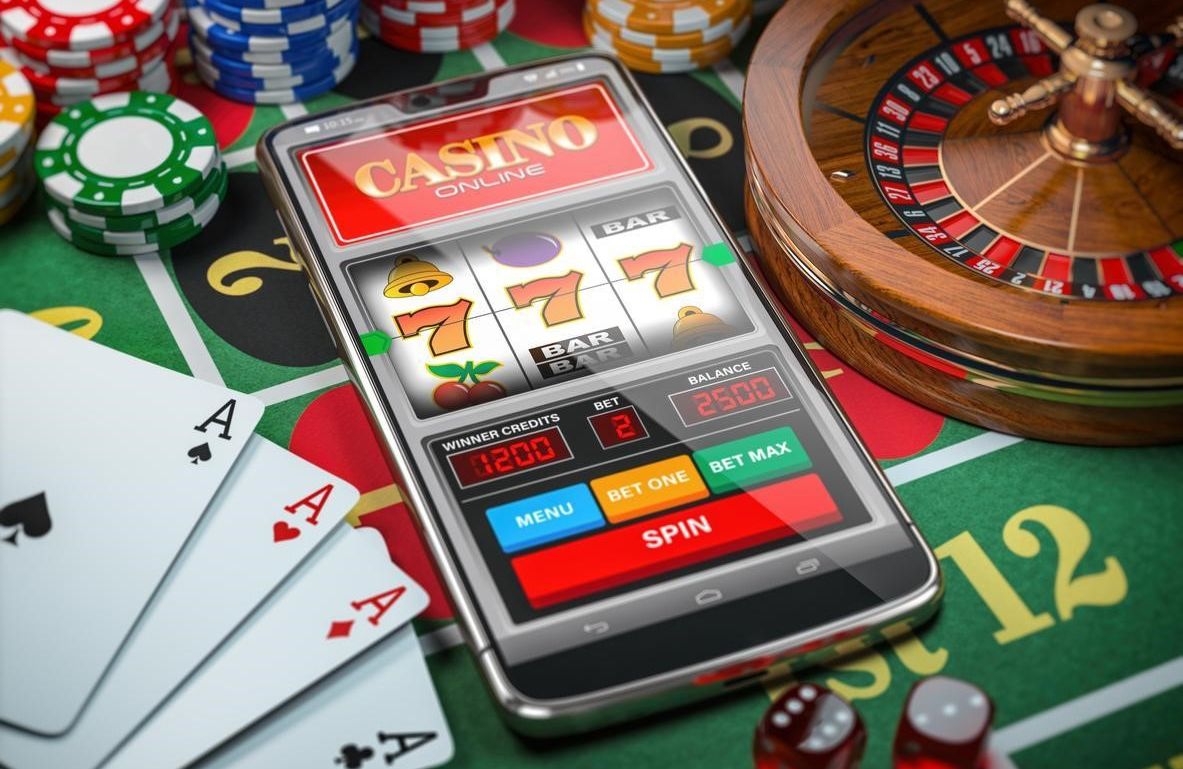
Moreover, cognitive biases further complicate decision-making in gambling. For instance, the illusion of control prompts players to believe that they can influence the outcome of games that are fundamentally governed by chance. This misconception can lead to overconfidence, where individuals continue to gamble despite mounting losses, believing that their next bet will be the winning one.
Emotional Influences on Gambling Behavior
Emotions play a significant role in the decision-making processes of gamblers. Many individuals gamble as a form of escape from stress or emotional turmoil. This coping mechanism can lead to a cycle where individuals seek solace in gambling, only to find themselves facing greater emotional and financial distress. As a result, the desire to gamble can become compulsive, impacting personal relationships and overall well-being.
Furthermore, social influences cannot be overlooked. Group dynamics often enhance the appeal of gambling, with friends or peers serving as motivators to participate. This social aspect can amplify both positive and negative emotions, influencing a person’s decisions at the gaming table. The desire for social acceptance can drive individuals to make choices they might otherwise avoid if they were alone.
The Role of Cognitive Dissonance in Gambling
Cognitive dissonance arises when a person’s beliefs conflict with their actions, leading to an uncomfortable psychological state. In the context of gambling, players often experience dissonance when they face losses but feel compelled to continue betting to justify their earlier decisions. This internal conflict can skew one’s perception of reality, causing gamblers to rationalize their losses as just “temporary setbacks.” This type of thinking can result in a vicious cycle where individuals chase their losses, often leading to even greater financial troubles.
Additionally, cognitive dissonance can manifest in the form of selective memory, where players choose to remember their wins while minimizing the significance of their losses. This distorted recollection can create an unrealistic view of their gambling success, perpetuating the desire to continue gambling despite negative outcomes.
Impact on Decision-Making: Short-Term vs. Long-Term
The impact of gambling on decision-making can be viewed through the lens of short-term gratification versus long-term consequences. In the short term, the immediate reward of a big win can overshadow the potential for future losses. Gamblers often prioritize the thrill of the moment, leading to decisions that disregard potential long-term ramifications, such as financial instability and emotional distress.
Long-term consequences often manifest in various forms. Many gamblers find themselves in a cycle of debt or addiction, which can profoundly affect their mental health and social relationships. The inability to recognize the long-term effects of their gambling behavior often leads to a lack of effective decision-making, as the immediate pleasure becomes the primary focus, overshadowing the potential for lasting negative outcomes.

Ensuring a Safe Gambling Environment
A secure online environment for gambling is crucial in mitigating the risks associated with gambling addiction and poor decision-making. Implementing comprehensive security measures can help protect users from online threats, ensuring a safe browsing experience. When players feel secure, they may be more conscious of their gambling behaviors and decisions.
Furthermore, acknowledging the impact of psychological factors on gambling can help in developing better resources for players. By promoting awareness of the behavioral and emotional aspects of gambling, platforms can guide users toward safer practices and encourage responsible gambling. This proactive approach can aid individuals in making informed decisions and recognizing when to seek help for their gambling habits.

